
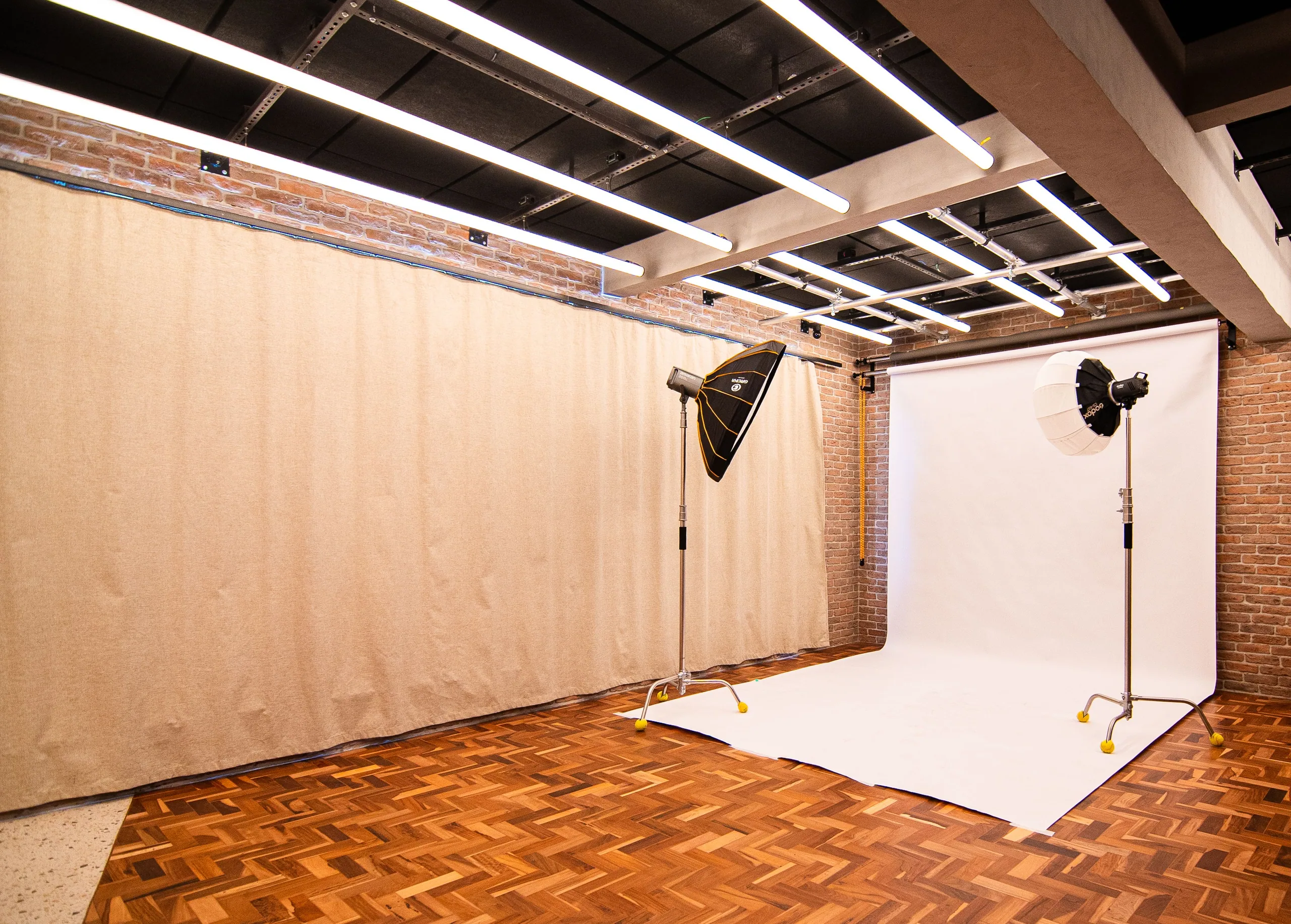
Setup never disappears from the schedule
It will happen whether or not you booked time for it. It can happen the day before, with an empty set and nobody watching the clock, or on the morning of the shoot, with cast, director and client already in the room waiting to start.
The work is the same in both cases: rig a light, adjust the height, kill a reflection, check it on camera, do it again. The difference shows up in who is standing in the room while it happens, and that is the only point where it turns into money.
Here the first two hours on set almost always go to rigging, and that happens on productions of any size. It is true for a campaign with a crew of twenty and for the videomaker who came alone to shoot three videos. Scale changes how many lights there are to rig, and setup time shows up in both.
There is a word for this, and in Portuguese it is almost never written down: pre-light. Search in English and you find manuals, articles and courses. Search in Portuguese and you find close to nothing. People learn it by overhearing someone mid-shoot, never ask what it meant, and keep using it.
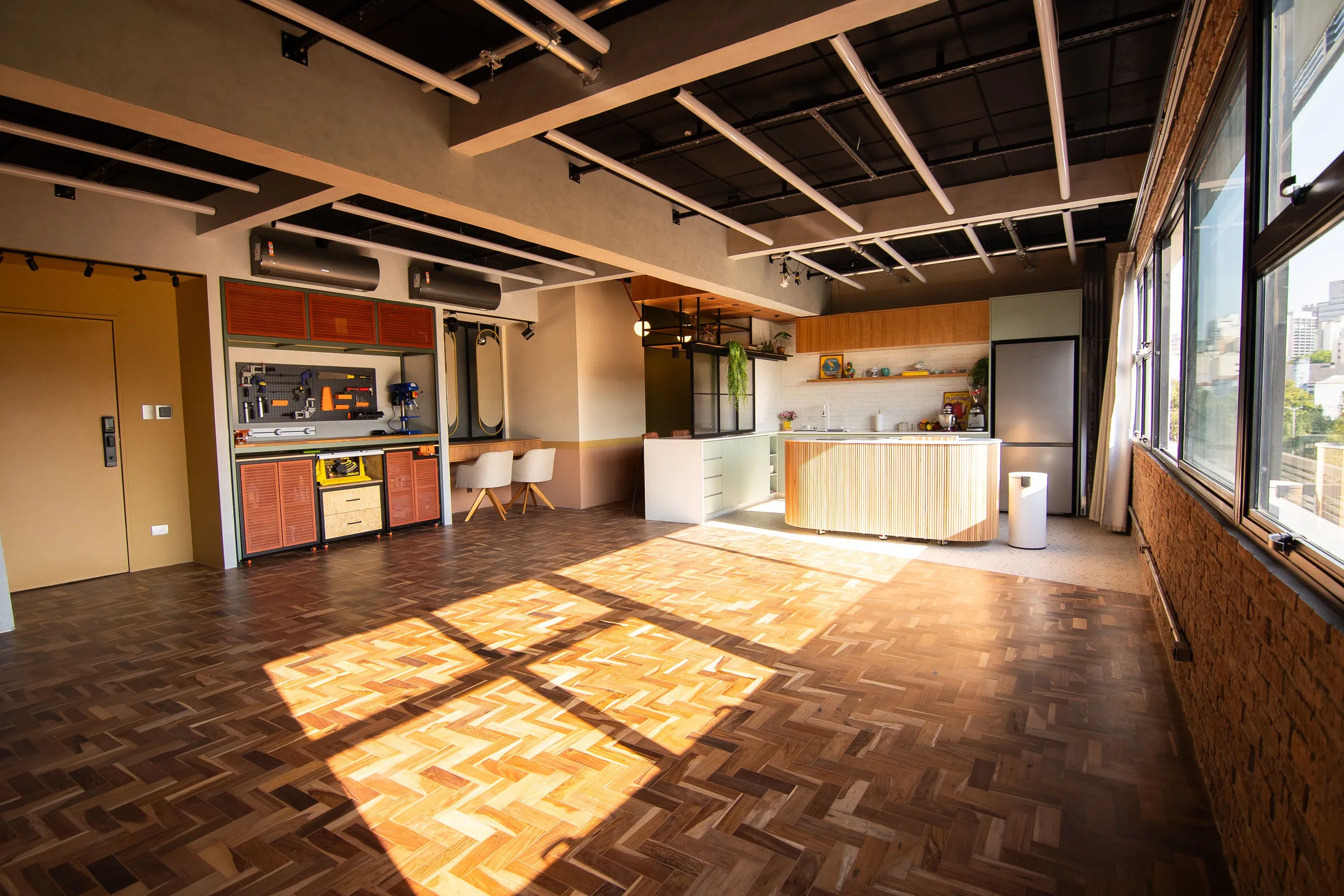
Lighting is never rigged in one go
Rig it, turn the camera on, look, correct. Change the height, take half a stop off, add diffusion, kill a reflection that only appeared on the screen.
That is why the half-hour you estimated is almost never the setup that happens. Light is only checked on camera, and the camera tends to be the last thing to arrive and be switched on. Until it exists, what you have is a well-rigged hypothesis.
Once talent steps into frame another round of adjustment begins, because a person's face returns light in a way an empty set never shows. Skin, hair and wardrobe change the contrast, and what looked right against the backdrop starts asking for half a stop less.
None of this means the crew is slow. Light is only finished once somebody is sitting there, in the wardrobe they will wear, under the lamp that will stay.
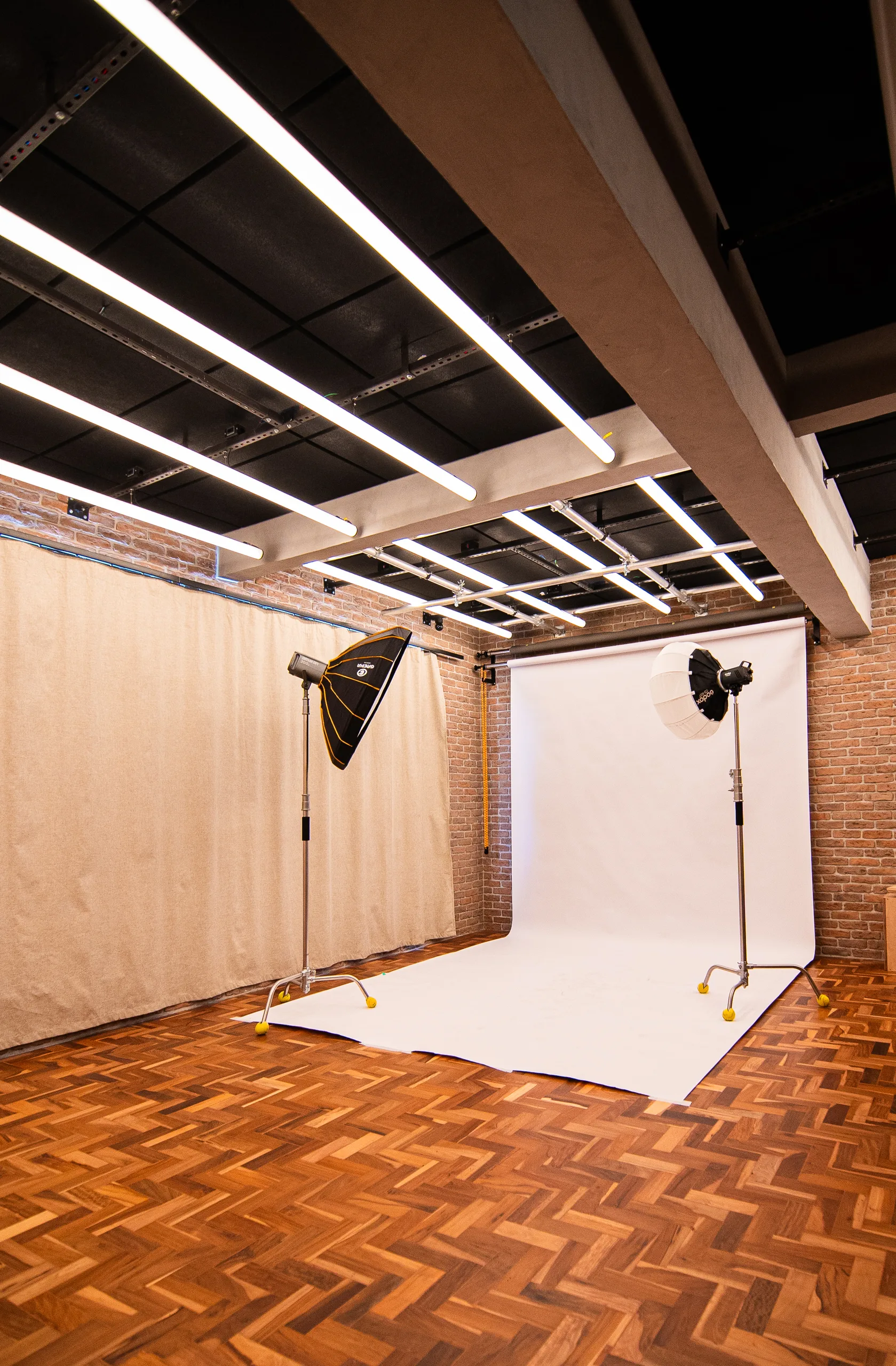
Waiting costs more than rigging
Two or three people do the rigging. The rest of the set waits, and everyone is already on the clock: cast, director, sound, art, production and talent.
That is why an hour of setup inside the shooting day is expensive. It is paid for by the whole crew, even with two or three people actually touching the equipment. The number that matters is what the waiting costs, and it grows with the size of the crew while two people work.
Add to that how location hire is charged: time runs from arrival to departure. Rigging, striking and unloading the van all sit inside the block you booked. Twelve hours start to look short once you list the whole day instead of listing only the hours with the camera rolling.
Counting camera time alone is the most common way to blow a shooting day that looked fine on paper (that quick mental sum everyone does the night before, always adding up).
Rigging an empty set is a different job
Fewer people moving around, no pressure from the clock, nobody asking how much longer. That is the practical reason pre-light exists, before any cost calculation.
And it does not have to take the whole previous day. It can be two or three hours at the end of the afternoon, leaving the next morning for fine tuning while talent gets ready. You arrive, switch on, check and roll.
The same idea works for art department. When the set has a lot to build, moving that build forward solves the following day: photography, electrics and grip work with more comfort and more safety when whatever needs lighting is already in place.
And moving the setup forward does not speed up the shoot, which sometimes disappoints whoever books it expecting that. It still takes as long as it takes. What moves is the waiting, which leaves the expensive day for the cheap one.
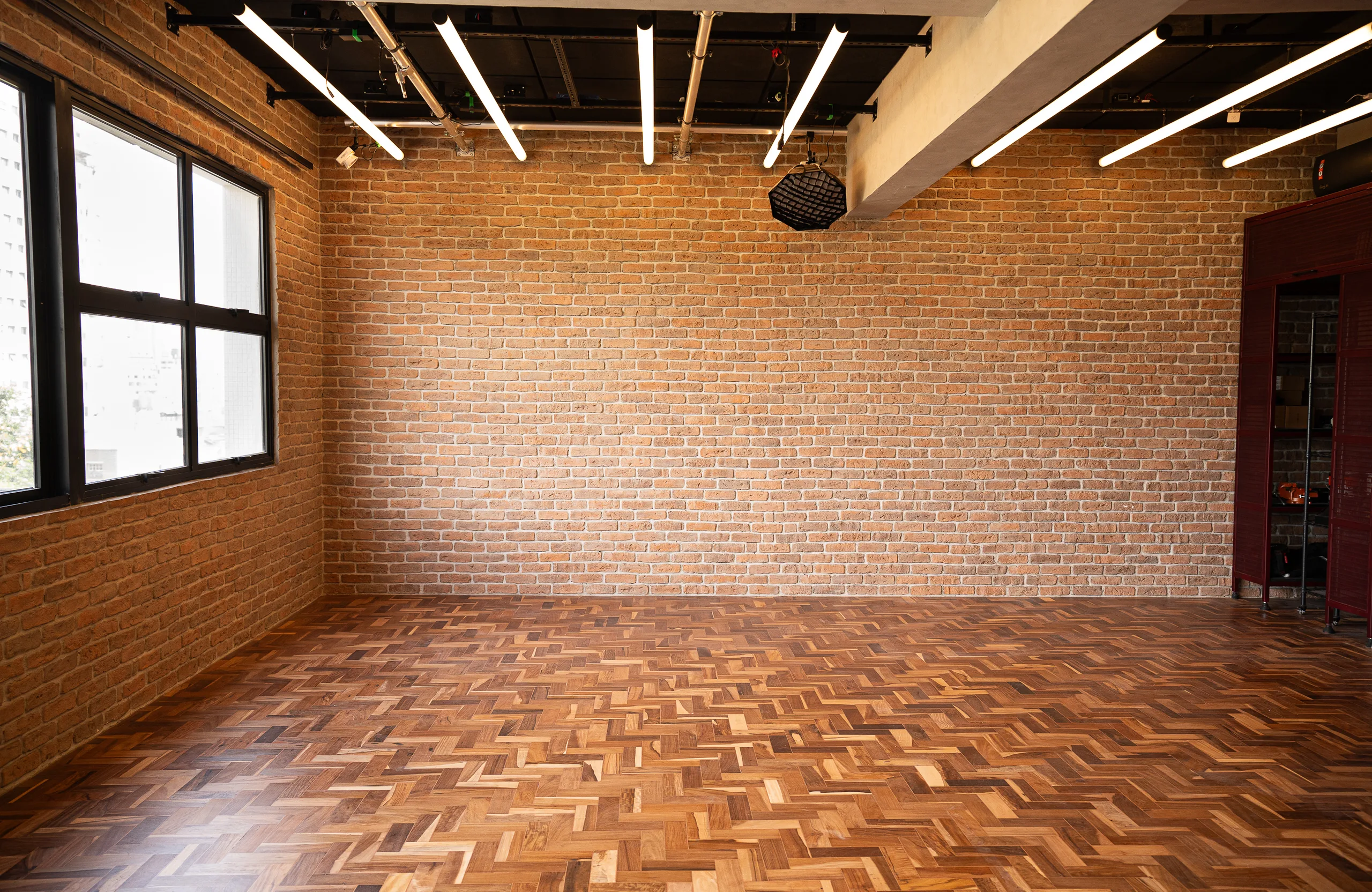
When it is not worth it
Simple set, calm schedule, few lights. You can rig on the day without drama, and using the day before only adds cost.
One question decides it: how many people will stand still while the set gets ready? If the answer is two, rig on the day. If it is twelve, the previous afternoon probably pays for itself before lunch.
The rule, written down: when an hour of crew waiting costs more than half a day of hire plus the fee of whoever rigs, moving it forward already pays. Below that, it is money that does not come back.
There is no answer that fits every production, and be wary of anyone who gives you one. What exists is the calculation, and it changes with the size of your crew.
- Count everyone who will be in the room during setup, not only the riggers.
- Add unloading, rigging and striking to the hours with the camera rolling.
- Ask whether the art department build needs its own time, before the lighting.
- Confirm what time you can get into the space, and what time you have to be out.
What we do with your running order
When a production sends the running order, the studio team organises its day around yours. The document does not arrive and go into a folder.
Very practical things come out of it: what time someone from the house needs to be here to let you in, when lunch happens, whether it is worth arranging a special slot with the building's car park, and what the scenes of the day might ask for in crockery, utensils or props from the collection.
The fields we look at first are the start time, the end time and the breaks. Those are the moments your crew is most likely to need support to arrive, to rig and to leave, and they are where we can take friction out of your day.
When there is no running order, the minimum is a start time and an end time. We manage without a document, but with those two we can organise the house around your production.
To close
The maths behind pre-light is the same on a campaign with twenty people and on a three-person shooting day. What changes is the answer: with two people rigging and two waiting, rig on the day; with twelve waiting, the afternoon before pays for itself by lunchtime.
And it has to be asked early, while the quote is still open and the schedule can still move. On the shooting day there is nothing left to choose: the twelve people are in the room, the clock has started, and the answer only explains the delay afterwards.